Define the building context.
Describe the intended use and the project stage. Identify who coordinates architecture, structure, building services and the lift package so that questions reach the right decision-maker.
- Building use and project stage
- Floors, lift quantity and available drawings
- Consultant specification or BOQ
- Programme and coordination contacts
Compare equivalent proposals.
Compare the same scope, not just the final total. Ask each proposal to distinguish equipment, installation, associated building works, testing, handover documents and aftercare. Capacities, speeds and system choices require project-specific engineering review.
Keep handover in the brief.
Discuss the documentation and support needed by the building operator before ordering. Responsibility for coordination, inspection and authority requirements must be established for the project; it should not be assumed from a generic website checklist.
Residential buildings and commercial premises have different needs.
An apartment building, office and mixed-use property may share a passenger-lift category while having different travel patterns. Describe residents, visitors, staff, deliveries and the times when demand changes. Keep passenger movement distinct from goods, service or specialist transport requirements. A school, hospital, mall or airport brief needs its own project review; a standard passenger-lift label does not establish suitability for every use.
How many lifts, what capacity and which speed?
These are engineering decisions, not choices made from floor count alone. Provide the building use, occupancy assumptions, served levels, entrance locations and operating pattern so the project team can review the traffic brief. Where analysis is needed, agree who supplies it and what assumptions it uses. A faster or larger lift alone is not a demonstrated solution to waiting-time complaints.
- Intended occupants, visitors and operating hours
- Main entrances, parking levels and floors served
- Expected peak periods and separate service movements
- Consultant criteria, drawing revisions and unresolved questions
Coordinate the equipment with the building.
Ask for the selected model’s layout and interface requirements before fixing the lift package. Shaft dimensions, pit and overhead provisions, power, doors, delivery routes and building finishes need coordinated review. A machine-room-less designation does not remove the need for equipment access or building interfaces. Mark which contractor owns each item and how changes are approved.
Choose finishes for daily use and upkeep.
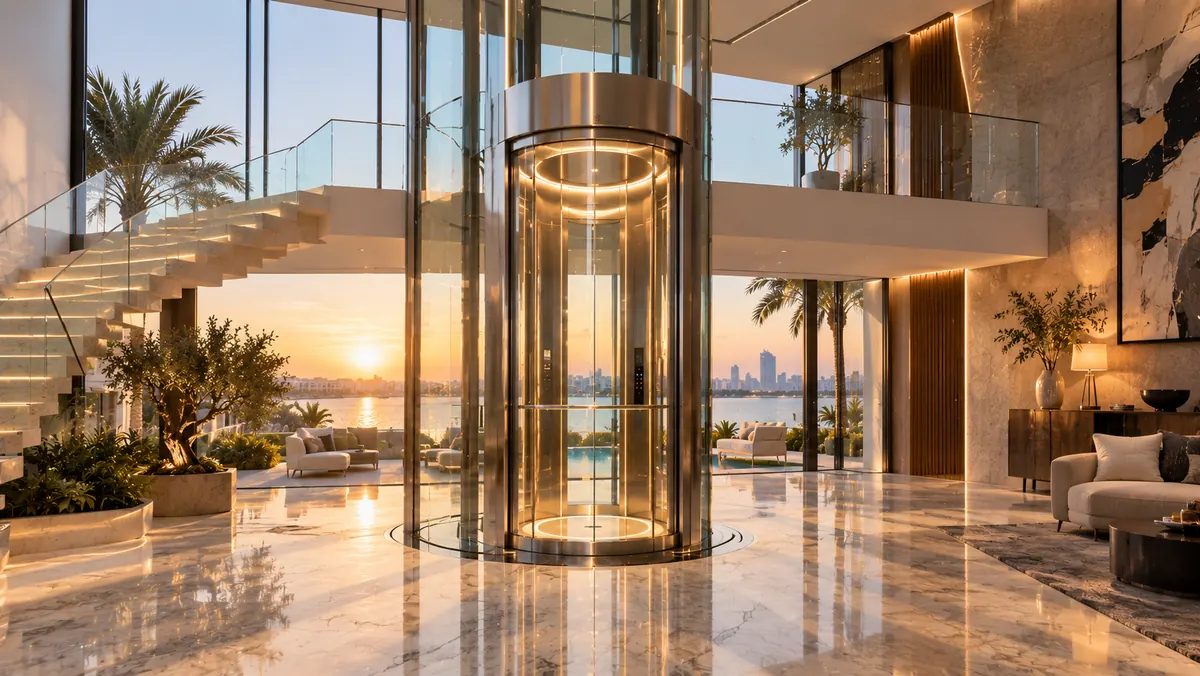
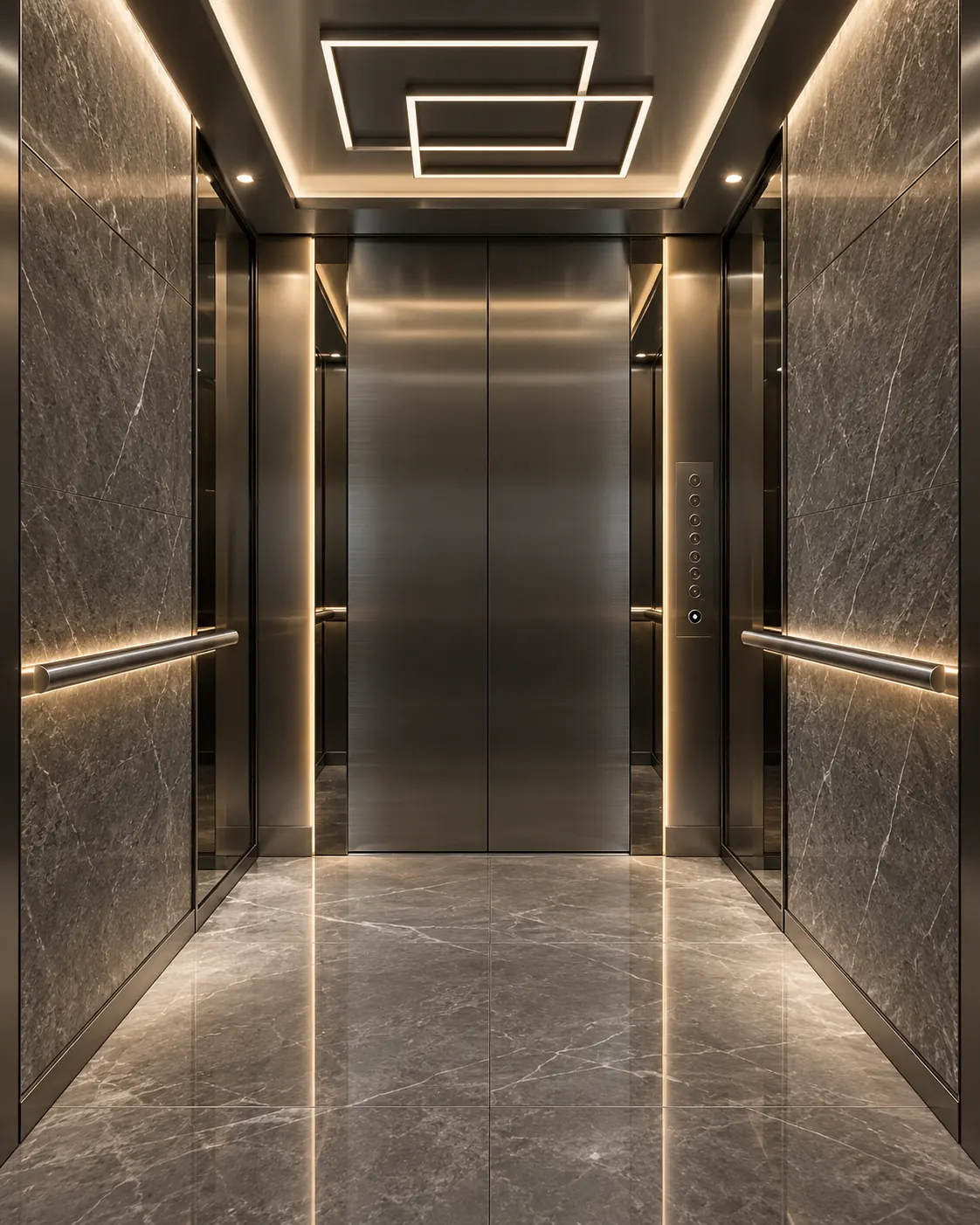
Compare cabin wall panels, flooring, ceilings, lighting, handrails and operating panels with the building’s actual use. Ask how the proposed finishes will be cleaned, protected during fit-out and supported after handover. Distinguish a decorative panel selection from a technical control change. For glass or panoramic designs, include the enclosure and architectural responsibilities in the review.
Replacement in an occupied building.
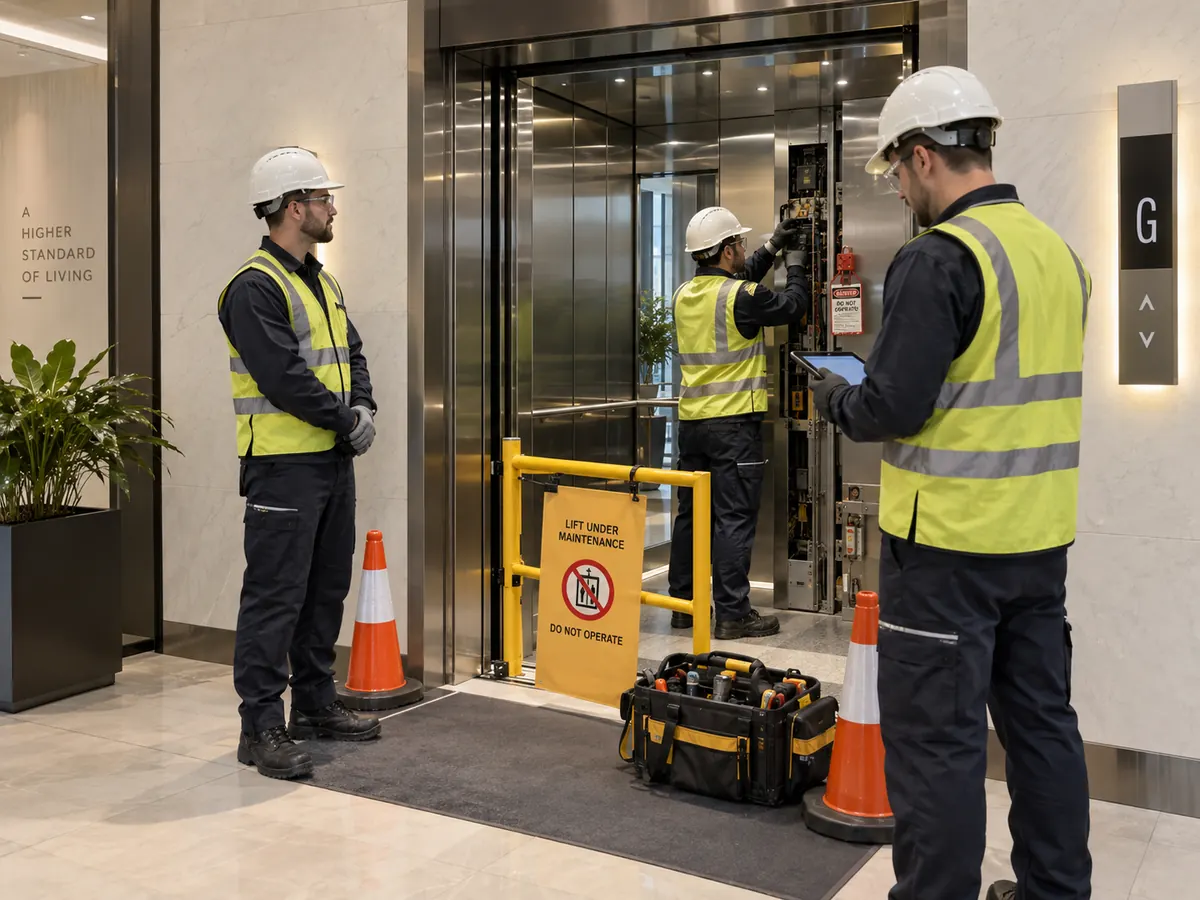
For a lift replacement or major upgrade, share the existing asset records, known issues and restrictions on work. Discuss occupant communication, delivery and removal routes, temporary access arrangements and the proposed sequence. The assessment should distinguish complete replacement from modernization of selected components; neither is assumed solely from the equipment’s age.
Procurement should include operation and maintenance.
Ask the proposal to identify equipment, installation, inspections to be coordinated, documents and the handover recipient. Confirm the start of service, warranty conditions and the maintenance scope separately. An AMC title does not automatically include every component or repair. Elevaya issues quotations only after a technical site survey and confirmation of the proposed work.
Questions, answered.
Can a BOQ be reviewed at an early stage?
Prepare the current BOQ with its revision, drawings and outstanding questions. A technical response depends on a confirmed scope and supporting information.
Is a passenger lift the same as a home lift?
The building use and equipment category must be established first. Do not treat residential marketing labels as an engineering specification.
Do you work on lifts in schools, hospitals and malls?
Yes, these are within our confirmed service sectors, alongside residential, commercial and other building uses. Each application requires its own equipment and scope assessment; this is not a claim of a specific sector certification or completed reference project.
Can you quote from a BOQ alone?
A BOQ and current drawings help prepare the review, but do not replace the technical site survey required before an Elevaya quotation. Highlight missing information and differences between the BOQ and the actual site.
Can you maintain a passenger lift installed by another company?
We assess independent multi-brand maintenance and AMC enquiries. Acceptance depends on the equipment, technical access, records, suitable parts and agreed responsibilities.
Does a higher capacity automatically reduce waiting?
Not necessarily. Lift quantity, layout, controls, stops and the building’s travel pattern need to be considered together. Project-specific performance should be assessed rather than promised from a single specification.
Equipment suitability, service availability and site-specific requirements must be confirmed for each project.