A part name is not enough.
A door roller, sensor, push button, display, board, contactor or brake component may exist in several versions. We identify the lift or escalator, manufacturer, model, controller and installed part reference before proposing supply. Photographs and labels help prepare the review, but dimensions, connectors, software, ratings and safety interfaces may still require site verification.
OEM and compatible parts need a documented route.
Elevaya can review original-equipment and suitable compatible replacement routes for multi-brand systems, including major international and Chinese equipment. Availability depends on the exact asset, documentation and supply chain. The proposal states the identified part, source route, condition where relevant and warranty terms. Brand names describe the equipment; they do not imply manufacturer authorization.
Parts for lifts, escalators and moving walkways.
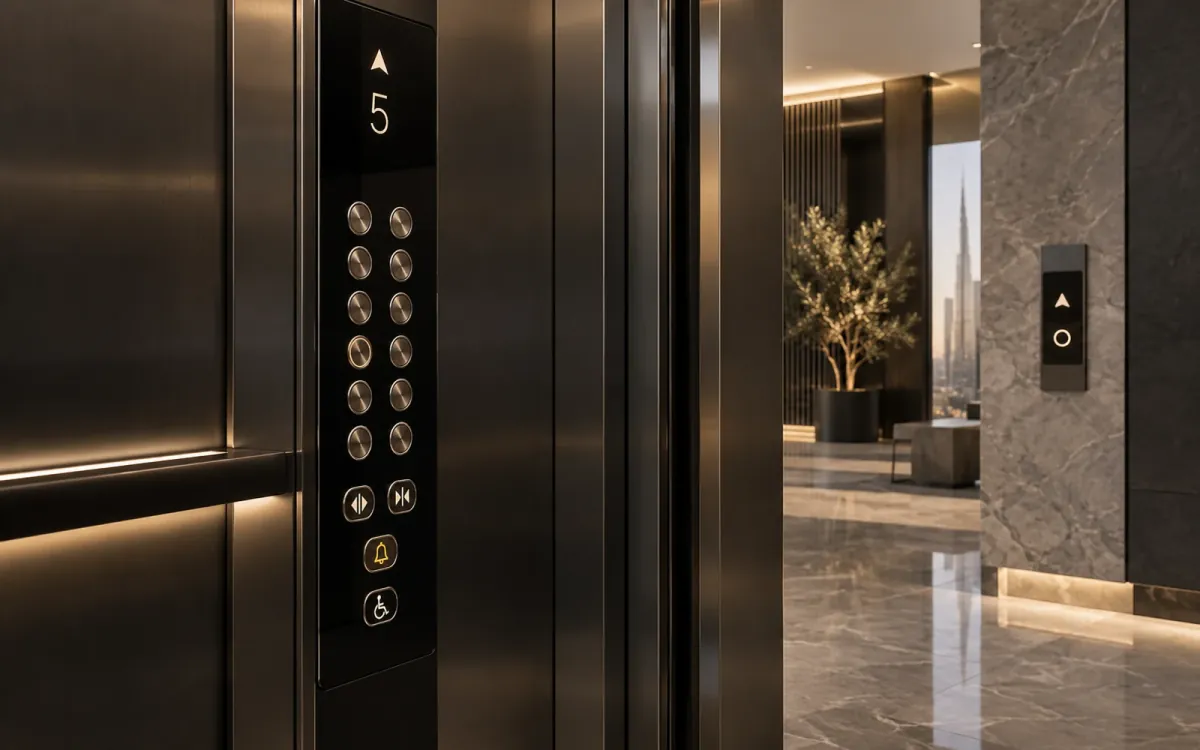
Enquiries may involve doors, operators, controls, COP and LOP components, indicators, communication items, sensors, switches, rollers, handrail-related components and other service parts. Safety-critical parts and assemblies require the associated technical checks. We do not publish a universal catalogue that could encourage selection by appearance alone.
Supply and fitting should be one clear decision.
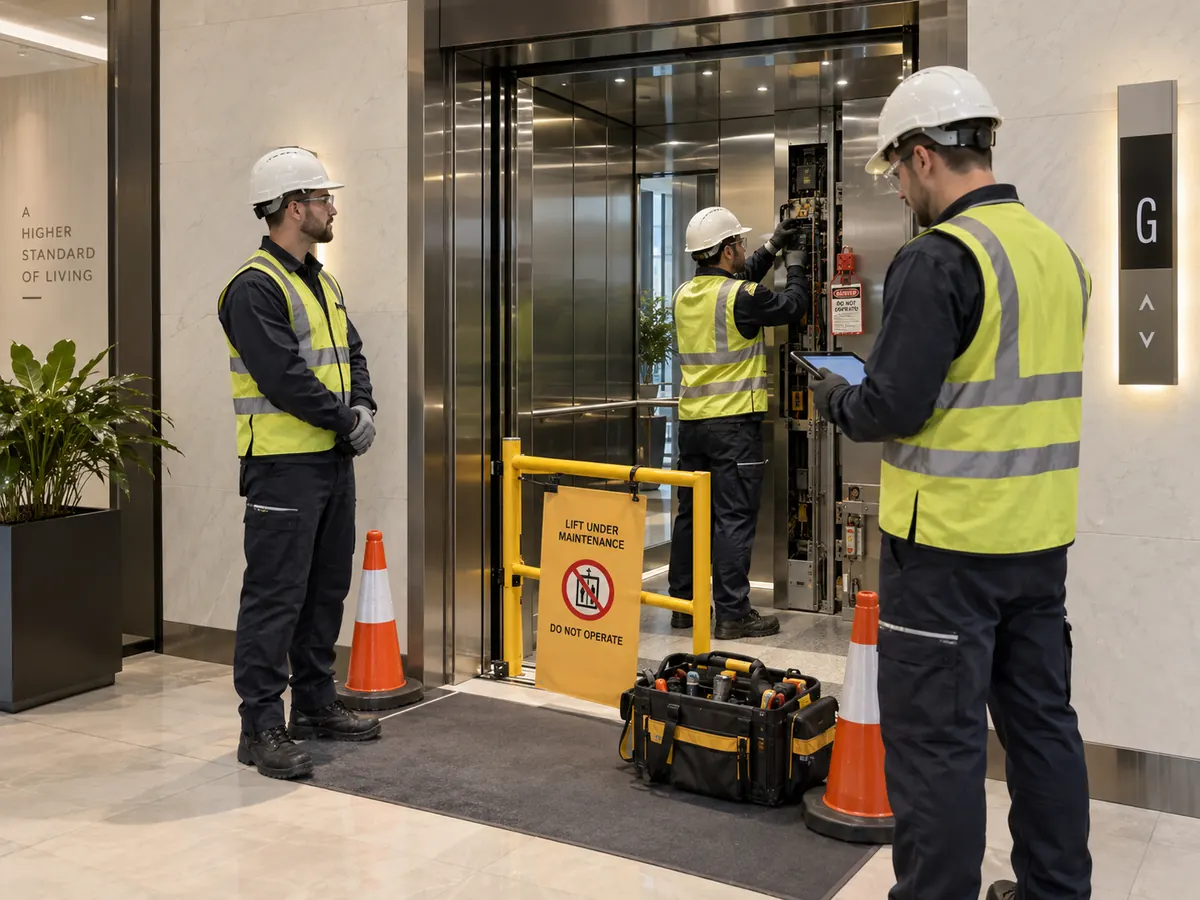
A loose part quotation does not establish that it can be fitted safely or that it resolves the reported problem. Where Elevaya supplies and installs, the scope identifies removal, fitting, adjustment, checks and records. If a customer requests supply only, the part identification, responsibility for installation and warranty boundary must be explicit before order.
Repair history helps prevent repeated guessing.
Share fault reports, previous part changes and service records for the affected asset. Repeated replacement without establishing the cause can waste time and introduce new uncertainty. The survey separates an identified failed part from symptoms that require wider diagnosis, and it checks whether a modernization or supported replacement route is more appropriate for obsolete equipment.
Quotation follows identification and availability.
Send the building location, equipment identity, clear label photographs and the reported issue, but do not open restricted panels or enter equipment areas. Elevaya confirms acceptance, technical access and the parts route before quotation. Price and programme depend on the verified component, source, delivery, fitting scope, testing and site arrangements.
Questions, answered.
Do you supply original OEM elevator parts?
OEM routes can be reviewed where the exact equipment and part are identified and the item is available. The proposal states the source and warranty terms.
Can you supply parts for OTIS, Mitsubishi, KONE or Chinese lifts?
Elevaya assesses parts enquiries across multiple brands independently. Acceptance depends on the exact model, reference, technical access and suitable supply route.
Can I order a lift part from a photograph?
A photograph helps identify the enquiry but may not confirm dimensions, revision, connectors, ratings or compatibility. Verification is required before order.
Does buying the part include installation?
Only when the written proposal includes installation. Supply, fitting, adjustment, testing and warranty responsibilities must be stated separately.
Elevaya develops every project around the surveyed equipment, building and agreed service scope.