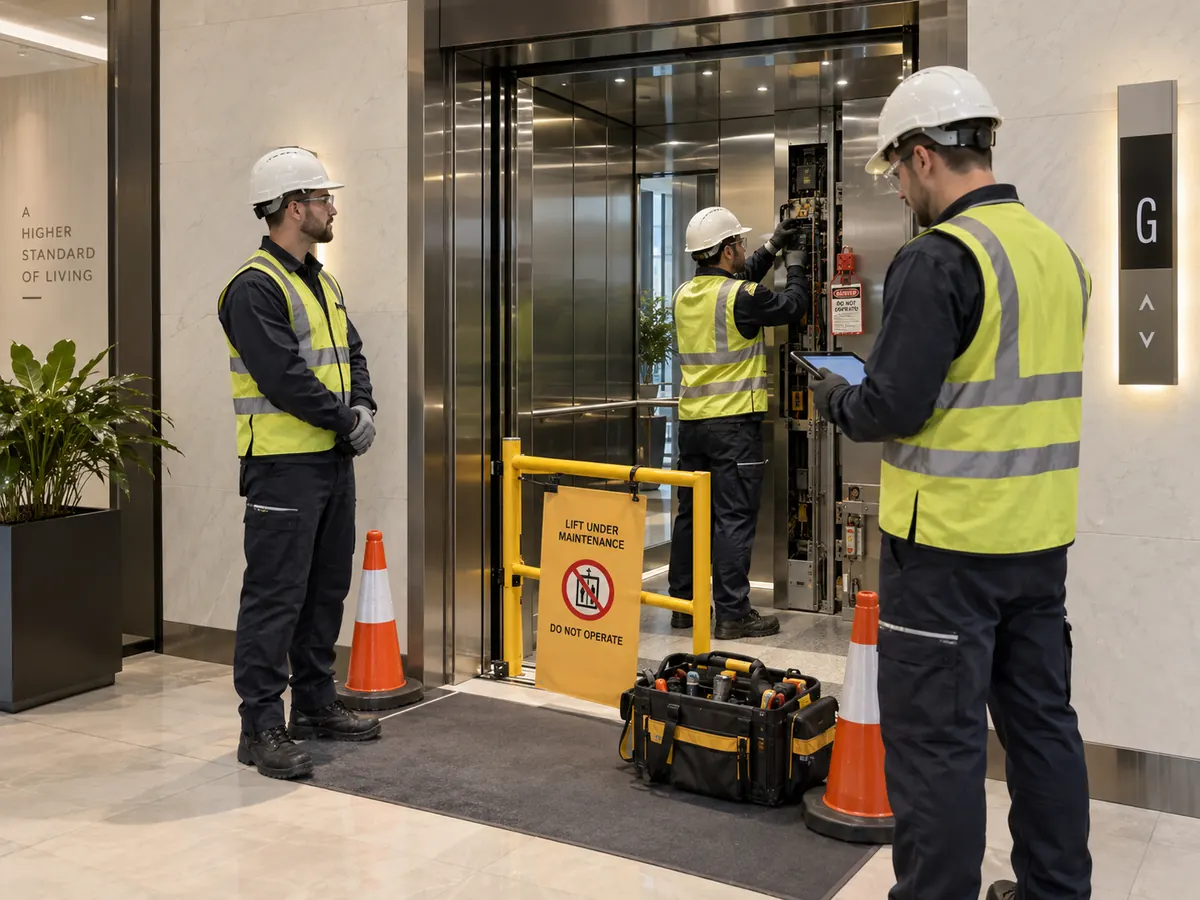
Start with the problem record.
Collect fault logs, service reports, shutdown history, inspection observations, user complaints and equipment identity. Age alone does not prove what to replace, and a cosmetic refresh does not resolve a technical fault.
Separate repair, refurbishment and modernization.
Write the outcome under distinct headings.
- Corrective repair for a defined fault
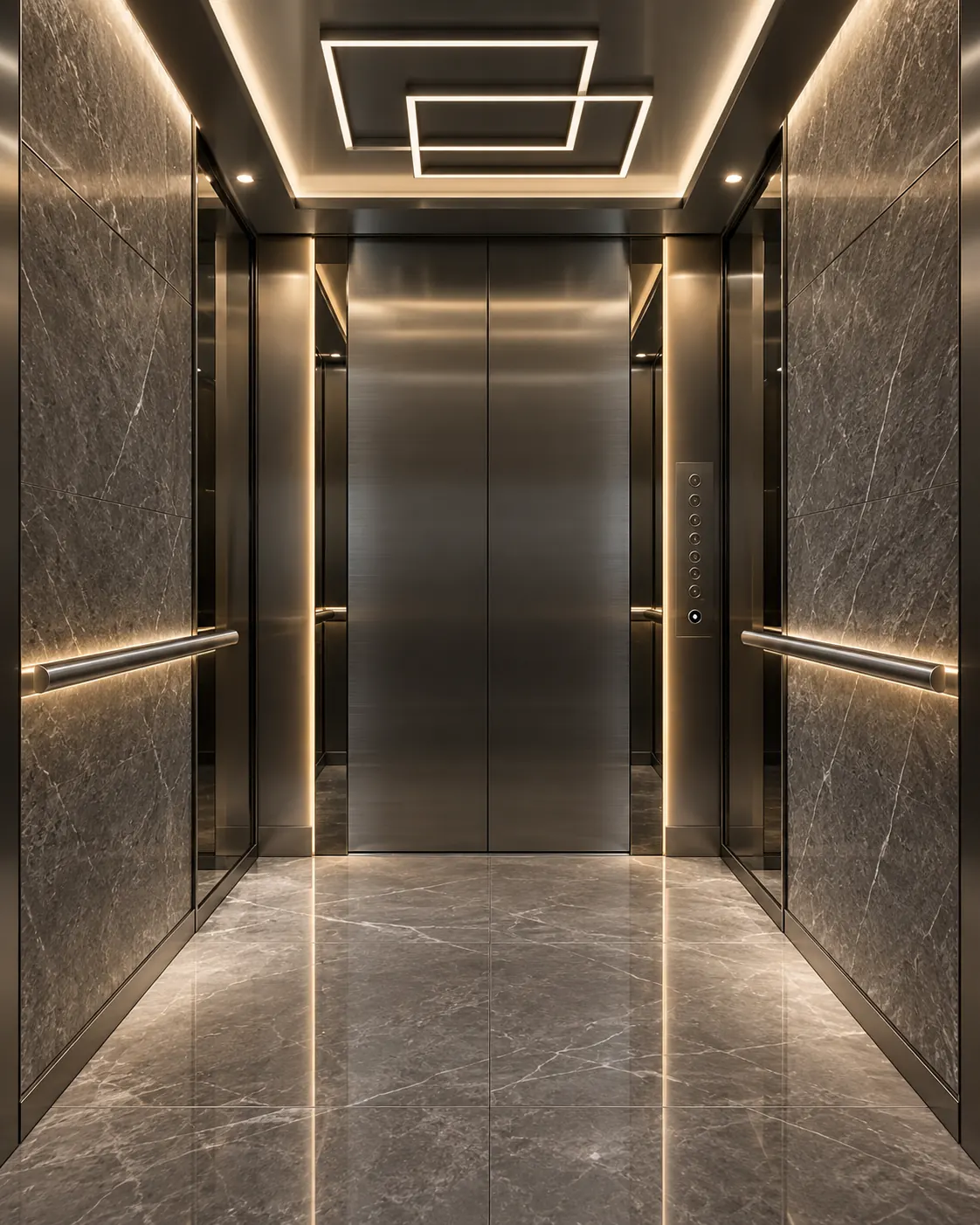
- Cabin refurbishment for finishes and interfaces
- Component modernization for compatible systems
- Full replacement where condition and objectives justify it
Test compatibility before ordering.
Controls, drives, doors, fixtures, wiring, safety circuits and building systems interact. A partial change needs a compatibility review, retained-equipment list and responsibility for the combined result.
Plan downtime, testing and handover.
Record building users, alternative routes, work access, notices and temporary arrangements. The proposal should state testing, authority coordination, records, warranty boundaries and the future maintenance plan. No outcome is guaranteed before assessment.
Questions, answered.
When should a lift be modernized instead of repaired?
Use condition evidence, recurring faults, component support, compatibility, building needs and lifecycle objectives. A technical assessment should distinguish the scopes.
Is cabin renovation modernization?
Not necessarily. Renovation changes visible finishes; modernization may change controls, drives, doors or other technical systems.
Can an old lift be upgraded in phases?
Possibly, if compatibility, safe interim states, access, budget and the accepted design support it.
Elevaya develops every project around the surveyed equipment, building and agreed service scope.